
The Place She Called Home

Advance tickets are now available through June! Make your plans to visit the place she called home and be among the first visitors of 2026.

Sign up for our e-newsletter for all the latest Museum news.


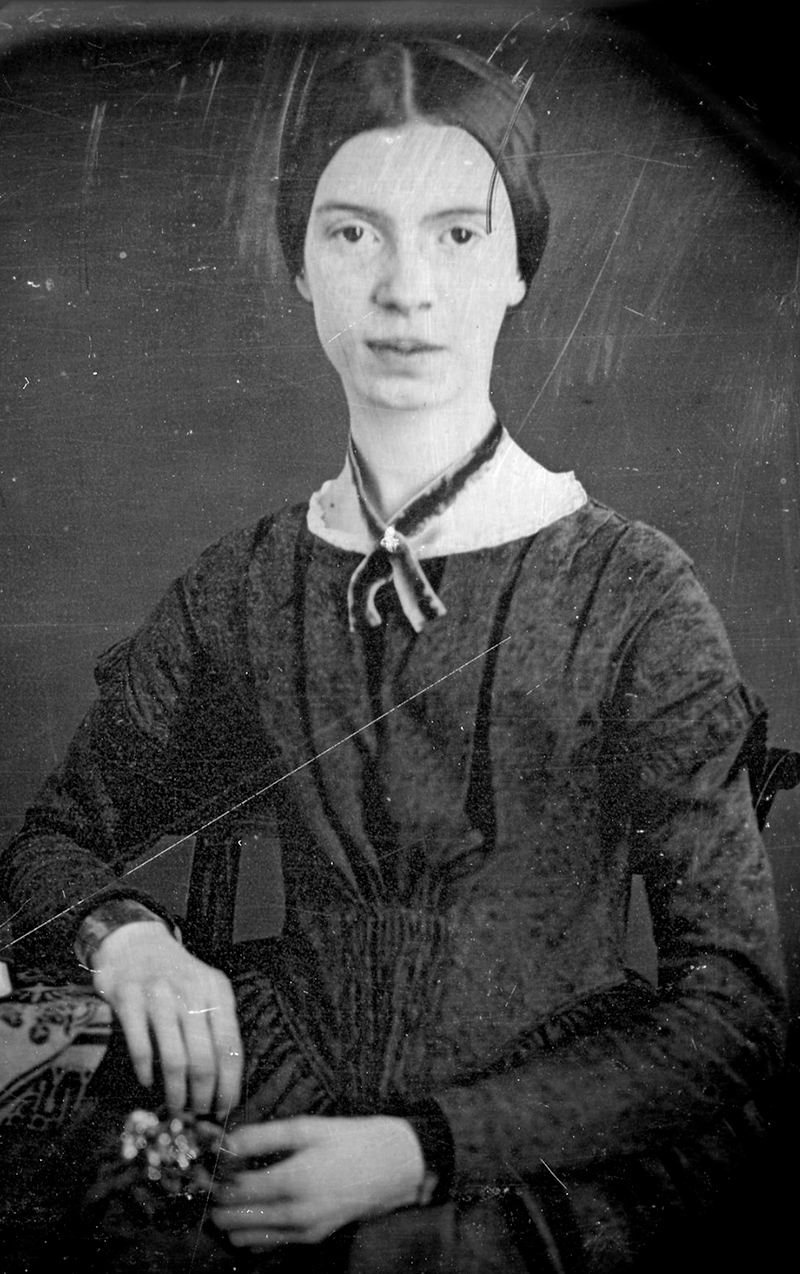
Emily Dickinson daguerreotype portrait, showing the poet wearing a black dress and a ribbon on her neck

Welcome

The Homestead & The Evergreens

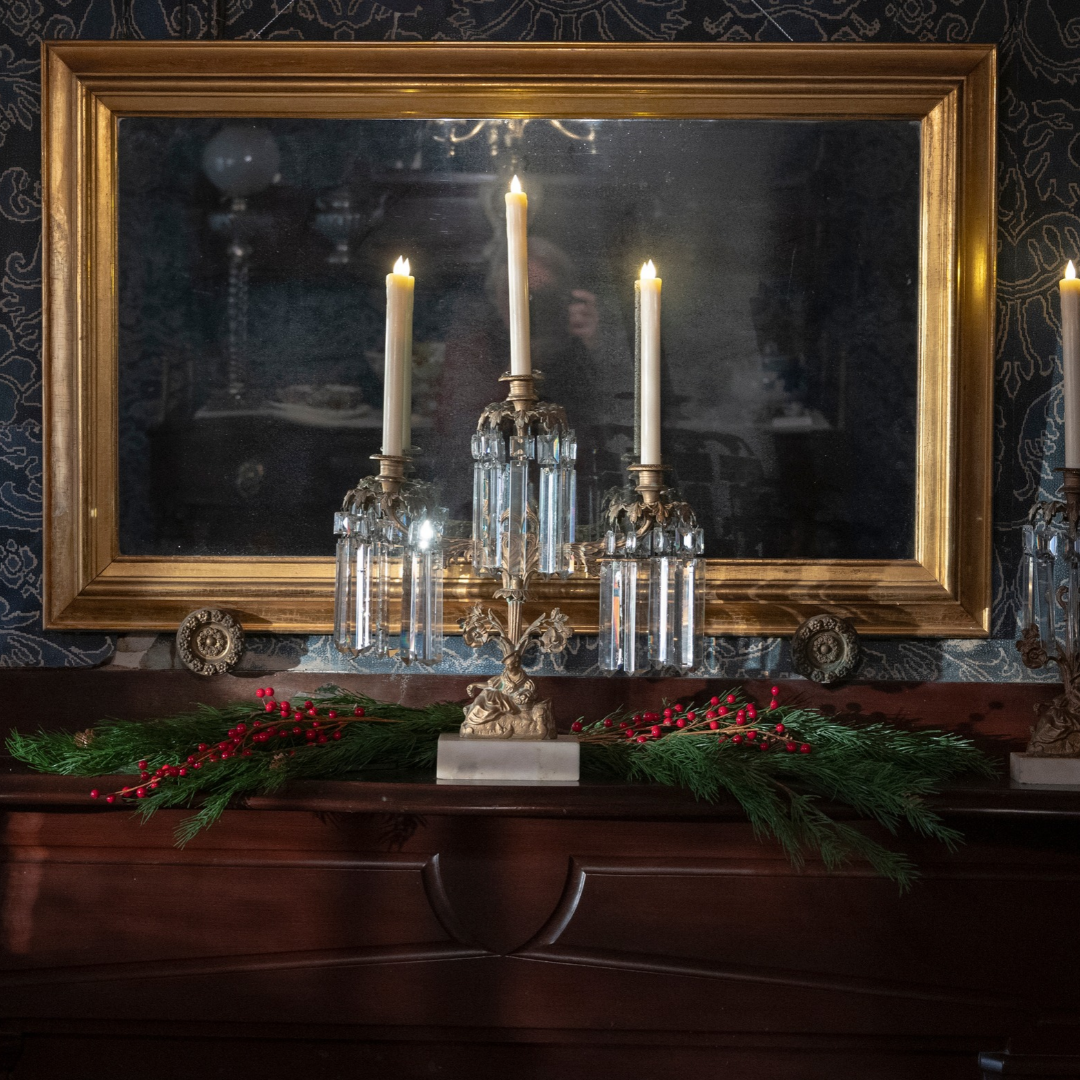
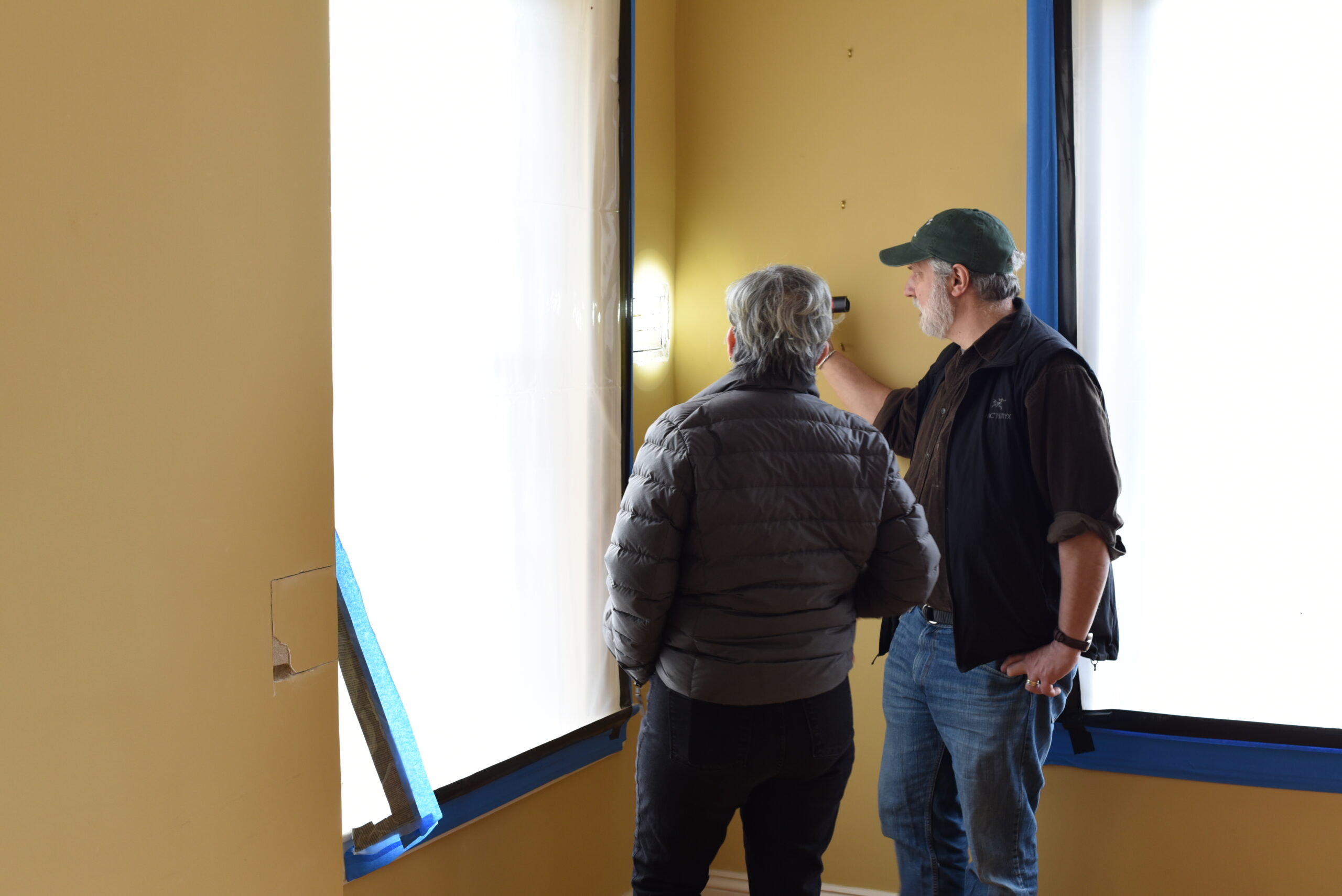
Visitors to the Emily Dickinson Museum explore the Homestead, where Dickinson was born, died, and did most of her writing, and The Evergreens, home of the poet’s brother, sister-in-law, and their three children. The Homestead, lived in by other families after Dickinson’s death, is in the process of being restored to its appearance during the poet’s writing years. The Evergreens was only ever lived in by Dickinsons or family heirs and its original 19th-century finishes remain intact. Dickinson’s life story and the story of her posthumous publication is uniquely entwined with these two houses and the three acres upon which they sit in Amherst.

Events & News

Poetry Walk 2026
Saturday, May 16
10am-12pm ET

IN-PERSON PROGRAM - An engaging poetry walk through Amherst, the town she called “paradise”...
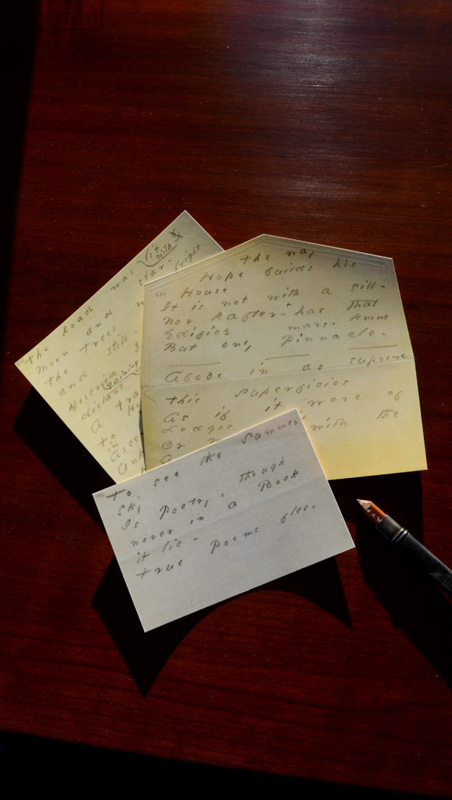
Emily Dickinson's handwriting on a letter and envelope

Poetry Discussion Group Spring 2026 Series

A lively virtual discussion of Emily Dickinson’s poetry and letters, meeting once a week for a month (April or June)...
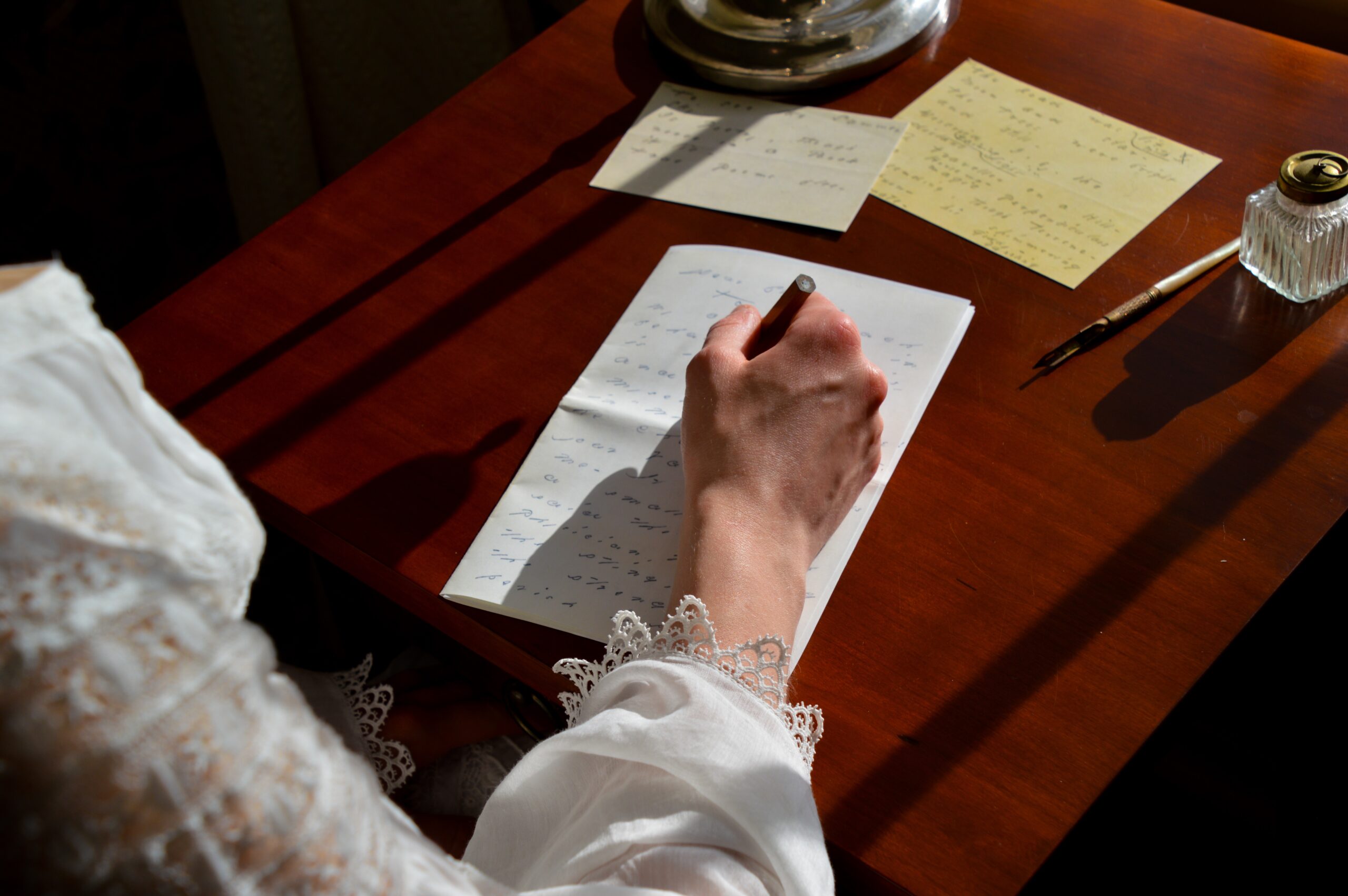
a model dressed as Dickinson with her back to the camera sitting at her writing desk

‘Revolution is the Pod’:
Emily Dickinson’s American Poetry

NEH Landmarks of American History and Culture Program
July 19-24 or 26-31, 2026

Designed for K-12 educators, this workshop will examine Dickinson’s poetry in light of the rhetoric of her day, as Americans grappled with a national identity one century on from the American Revolution...
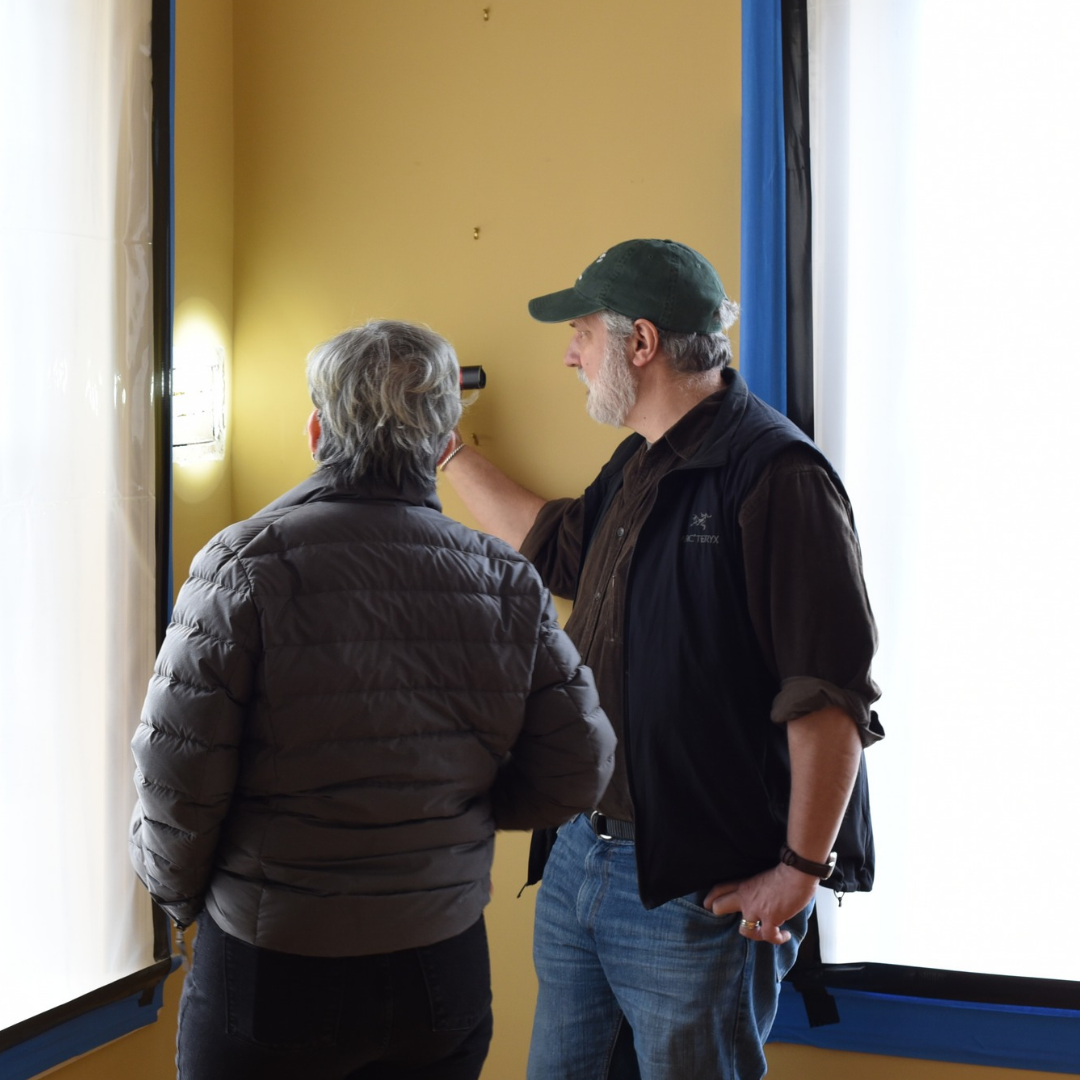
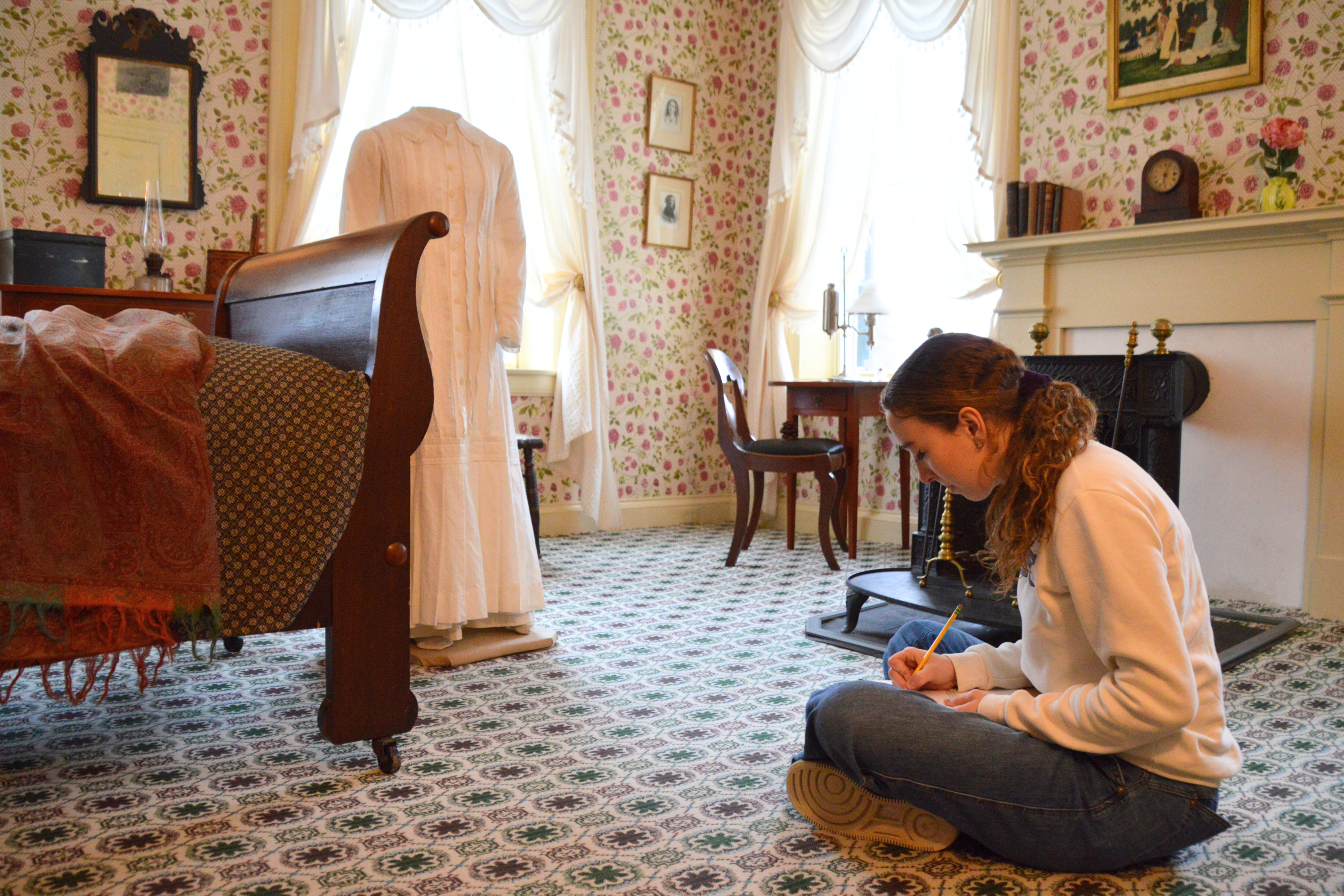
Education school group in the Evergreens

K-12 Group Visits

Announcing a new program for Middle and High School students: The Power of Poetry. Spark your students' imagination by planning a field trip!...
Emily's handwriting on paper and envelope on a desk

Poem of the Day

Further in Summer than the Birds (895)

Further in Summer than the Birds – 
Pathetic from the Grass – 
A minor Nation celebrates
It’s unobtrusive Mass.

No Ordinance be seen –
So gradual the Grace
A gentle Custom it becomes –
Enlarging Loneliness –

Antiquest felt at Noon –
When August burning low
Arise this spectral Canticle
Repose to typify –

Remit as yet no Grace – 
No furrow on the Glow,
But a Druidic Difference
Enhances Nature now – 

Posted in Poems by Emily Dickinson.

Education

People standing and listening during an event outside, with flowers in the foreground

At the Museum

Field trips, special tours, workshops, and fun for students of all ages.

A book of Emily Dickinson's poetry being held open by someone reading

In the Classroom

Lesson plans, resources for students, and more.

Manuscript of Emily's handwriting, not quite legible in photo

Research

Resources, bibliography, and more.

Digital Dickinson

The Emily Dickinson Museum welcomes inquiries from researchers and strives to support their work.

Research at the Museum can be useful not only to Dickinson scholars but also to researchers interested in nineteenth-century material culture, social and cultural trends, domestic life, architecture, and decorative arts.

The Museum does not own Dickinson manuscripts or family papers but works closely with the institutions that do. The two major repositories for Emily Dickinson’s manuscripts and family papers are Amherst College and Harvard University. Additional repositories exist at the Jones Library in Amherst, MA, Mt. Holyoke College, Yale, and the Boston Public Library.

To learn more about digital and electronic Dickinson research resources, visit these institutional archives:

Amherst CollegeBoston Public LibraryHarvard UniversityBrown UniversityJones Library, Amherst MA Mt. Holyoke CollegeYale University

daguerreotype of Emily Dickinson fading into pixels

MISSION STATEMENT

It is the Museum’s mission to spark the imagination by amplifying Emily Dickinson’s revolutionary poetic voice from the place she called home.

Museums 10      Mass Cultural Council       National Endowment for the Humanities      Institute of Museum and Library Services